


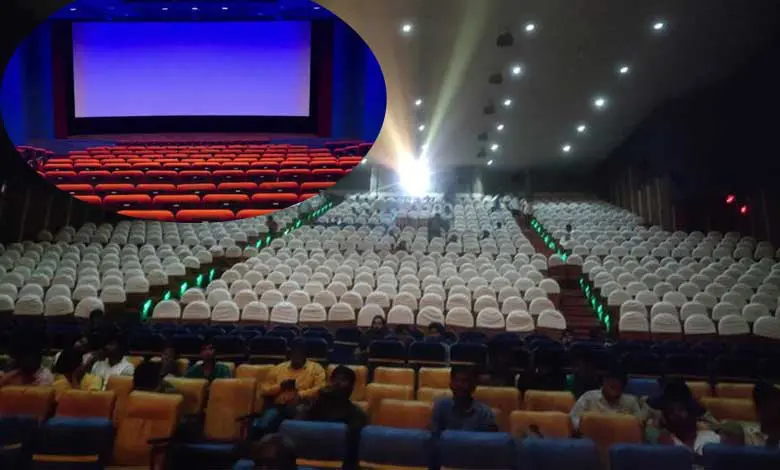
The ongoing conflict between Telugu exhibitors and producers in the Telangana trade is turning into one of the biggest discussions in the industry. What started as concerns over the rental-based model has escalated into a direct face-off between theatre exhibitors and producers.
Exhibitors Demand Percentage-Based System
Yesterday, exhibitors conducted a press meet and openly expressed their dissatisfaction with the current system. They strongly stated that continuing with the rental-based model is becoming impossible for theatres and demanded the implementation of a percentage-sharing system, similar to models followed in several other states.
According to exhibitors, the present structure puts enormous financial pressure on theatres, especially with fluctuating occupancy levels and rising operational costs. They believe a percentage-based sharing model would create a more balanced and sustainable system for exhibitors.
Producers Set to Respond Today
The Active Telugu Film Producers Guild is set to hold a press meet today at 4 PM to clarify its stand on the issues raised by exhibitors. Several prominent producers and industry figures are expected to attend the meeting, including Ravi Shankar Yalamanchili, Suryadevara Naga Vamsi, Swapna Dutt, Satish Kilaru, Sudhakar Cherukuri, BVSN Prasad, Sahu Garapati, Supriya Yarlagadda, Rajesh Danda, SKN, and Dheeraj Mogilineni.
Mythri's Ravi Shankar and other producers are reportedly open to discussing changes in the system, but they believe the percentage demands being proposed by exhibitors are extremely high and could place a heavy burden on producers and distributors. Their major concern lies in the crucial first week of release, where recovery is most important for big-budget films.
This has turned into a serious standoff, with both sides trying to protect their survival and business interests.
Industry Seeks Middle Ground
Many within the industry feel that neither side can afford a prolonged conflict. While exhibitors are right in pointing out that the rental system is no longer working effectively for theatres, producers also have a valid concern that excessively high percentage sharing may impact film recoveries and overall business sustainability.
The Telugu film industry now stands at a crucial point where both exhibitors and producers must arrive at a practical middle ground. A balanced win-win solution is the need of the hour — one that protects theatres while ensuring producers can sustain large-scale filmmaking without additional financial pressure.
The upcoming discussions and press meetings could shape the future of the Telugu film industry, particularly in the Telangana territory.